
Is Botox safe?
Start the safety question with the paperwork, read ahead of the visit.
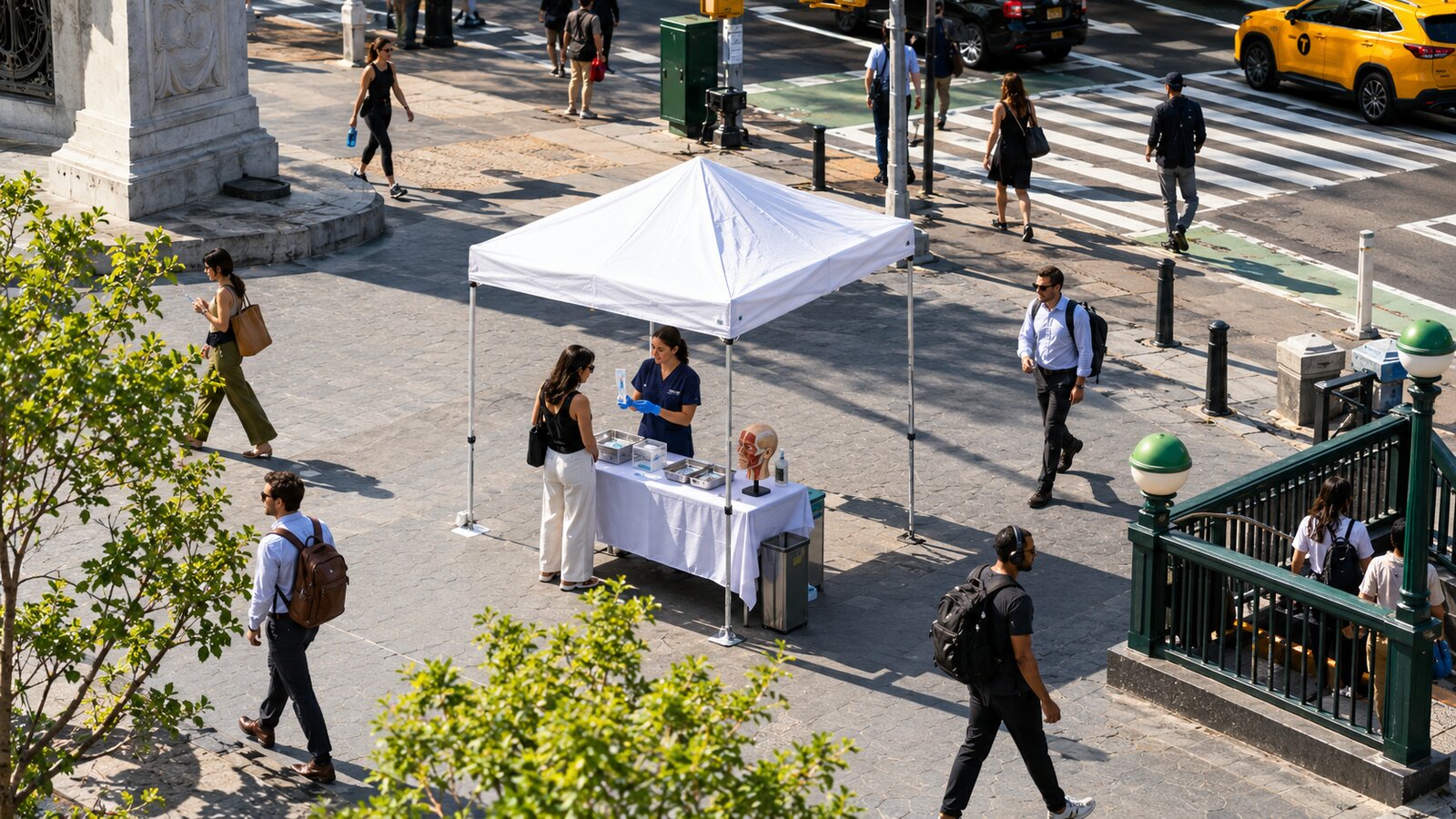
Take the Botox safety question to the prescriber
The prescriber decides whether Botox is safe for you. Your part is to read the documents that hold the safety information and to bring sharp questions.
Read the safety documents in this order
Safety information for a drug sits in its labeling and in the consent form you sign.
Read them in this order:
- The consent form. Find the risks it lists and the signature line.
- The product labeling. Have the provider show you the section on warnings and side effects.
- Your own history. List conditions, medications and allergies, then ask which ones matter.
Ask what you should do if something goes wrong after treatment, and who answers when you call.
Open the Penn Medicine page on botulinum toxin (Botox) injections, from an academic medical center. Then read a published case of adulterated toxin injected into patients, with a public health warning, a document about a product that was not genuine, and let it be your reason to see the product name, its labeling and the lot number ahead of treatment. For a professional society's view of these injectables, open its page on neuromodulator injectables.
Bring your history and highlighted risks to the visit
- Request the consent form and labeling ahead of the visit.
- Highlight every risk you do not understand.
- Bring your questions and your health history.
- Ask whom to contact after treatment.
Get any missing safety answer on paper
The consent form and the labeling are the primary documents. If an answer is missing from both, have the provider state it in writing.